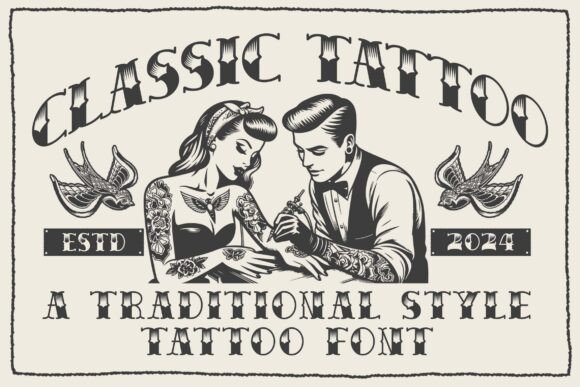
Classic Tattoo: A Typeface with Built-In Attitude
When you need a design to speak with a certain weight, a certain history, you don't just pick a font. You pick a voice. That's the pull of Classic Tattoo. It’s not just a collection of letters; it's a direct line to a visual language steeped in tradition, rebellion, and unmistakable personality. This is a premium font that doesn't just sit on the page—it makes a statement.
The Anatomy of an Iconic Style
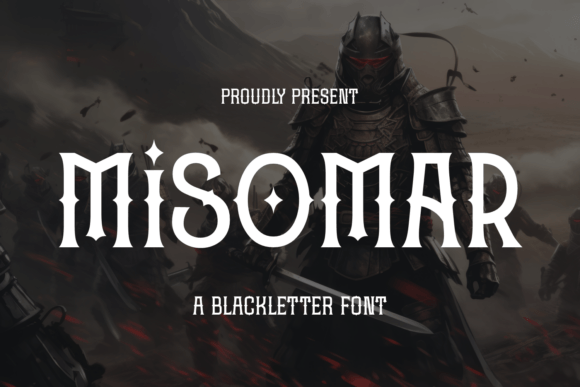
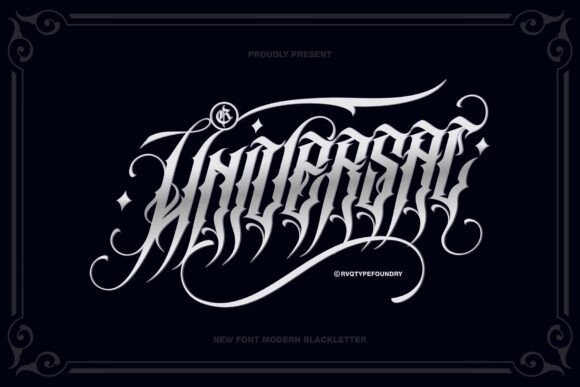
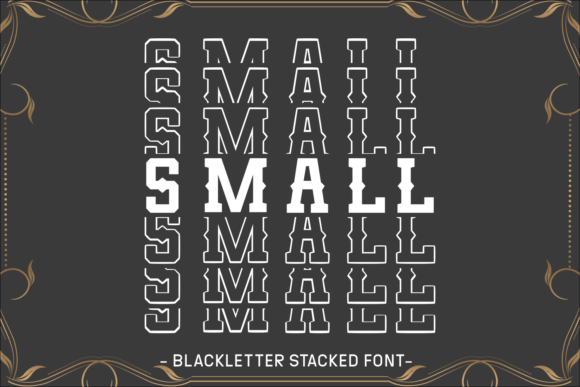
At its core, Classic Tattoo is a display font rooted in the bold, clean lines of American traditional tattoo art. Think of the flash sheets hanging on the walls of a legendary shop: the anchors, the eagles, the daggers, and the roses. The lettering that accompanies that artwork has a specific, powerful look. This typeface captures that aesthetic perfectly. Each character features strong, consistent stroke weights, subtle serif-like terminals that feel hand-drawn rather than mechanical, and a confident, upright stance. There’s a solidity to it, a sense of permanence that many modern fonts lack.
Its personality is assertive but not aggressive. It feels authentic, carrying the legacy of sailors and craftsmen in its DNA. For a designer, using Classic Tattoo is like choosing a rugged, weathered leather jacket instead of a synthetic one—it immediately communicates a specific, credible vibe. It’s a creative font that brings built-in narrative to any project.
Where This Font Truly Shines: Real-World Applications
The strength of Classic Tattoo lies in its versatility across projects where bold identity is key. It’s a natural fit for logo design, especially for brands that want to convey heritage, craftsmanship, durability, or an alternative edge. A brewery, a barbershop, a custom motorcycle garage, a vintage clothing line, or an outdoor adventure brand can build a entire brand identity around this serif font style.
Beyond logos, its applications are extensive:
- Packaging Design: Imagine this font on a hot sauce label, a coffee bag, or a bottle of craft gin. It gives products an artisanal, small-batch feel that stands out on a shelf.
- Editorial Design & Publishing: It makes for striking headlines in magazines, posters for music events, or chapter titles in a book about counter-culture history.
- Digital & Social Media: Use it for impactful YouTube thumbnails, podcast cover art, or Instagram story headers. It grabs attention in a crowded feed.
- Merchandise & Apparel: This is its home turf. Classic Tattoo is built for t-shirts, hoodies, hats, and stickers. It looks like it was meant to be printed on fabric or die-cut vinyl.
- Personal Projects: Hobbyists and crafters can use it for custom party invitations, band logos, or garage sale signs that need a professional, thematic punch.
It’s crucial to remember this is a display font. It’s designed for impact in short bursts—headlines, logos, titles, and call-outs. Using it for long paragraphs of body copy would sacrifice readability, which is where pairing it with a more neutral sans serif font or a simple serif font becomes essential.
Strategic Font Pairing and Practical Considerations
A great font doesn't work in isolation. Classic Tattoo creates a dynamic visual hierarchy when paired thoughtfully. For a balanced, professional look, combine it with a clean, geometric sans serif font for subheadings or body text. The contrast is sharp and modern. For a more thematic, vintage feel, it can work alongside a complementary script font or a handwritten font, but this requires careful testing to avoid a cluttered look.
Before you commit, consider these practical steps:
- Evaluate Project Fit: Does your project's message align with the font's personality? A law firm might not be the right match, but a vintage record store is perfect.
- Test Thoroughly: Always set your actual copy in the font. Check the kerning, the spacing, and how specific letter combinations (like "LA" or "To") look. What’s the character set like? Does it include the glyphs, numbers, and punctuation you need?
- Review the License: If you're using it for commercial work—a client's logo, merchandise for sale, a published book—you need a commercial font license. Ensure the license covers your intended use, whether it's for a single project or multiple products.
- Consider the Context: On a website, use it for a hero image header but not for navigation links. On a poster, ensure the size is large enough for the details to read clearly from a distance.
Ultimately, Classic Tattoo is more than just a design asset; it's a tool for storytelling. It gives entrepreneurs and creators a shortcut to a powerful aesthetic. For the marketer, it's a way to instantly signal a brand's ethos. For the designer, it’s a reliable, character-rich addition to the toolkit. Used with intention, it doesn’t just decorate a design—it defines it.